How to find copyright free background music for youtube shorts
Table of contents
- What to know before you read on:
- 0.1. Best choices for audio sourcing
- 1. Why native audio hurts your revenue
- 2. How to verify licensing for commercial use
- 3. Selecting audio for high-retention shorts
- 4. The importance of channel ID clearance
- 4.1. Is whitelisting mandatory for all creators?
- 5. Efficient workflows for short-form audio
- 6. Public domain and Creative Commons limits
- 7. Frequently asked questions
- 7.1. Does the YouTube library offer full monetization?
- 7.2. What is a channel ID, and why should I whitelist it?
- 7.3. How does music affect viewer retention?
- 7.4. Are public domain tracks safe for commercial use?
- 8. Protecting your content growth
Using popular tracks from the Shorts library might seem easy, but it forces you into revenue-sharing contracts with rights holders. In my experience, professional creators often switch to external libraries to avoid these hidden financial traps. I have put together this guide to help you find high-quality audio that guarantees full monetization and keeps your account in good standing.
What to know before you read on:
- Native library tracks trigger revenue sharing, reducing your creator payout.
- Always verify if a license covers worldwide and commercial distribution.
- Aim for 120-130 BPM tracks to boost average viewer retention by 15-20%.
- Whitelisting your YouTube channel ID is the most effective safety protocol.
- Direct-licensing platforms allow you to retain 100% of generated ad revenue.
0.1. Best choices for audio sourcing
| Best choice when: | Not recommended if: |
|---|---|
| You want to keep 100% of your ad revenue | You only need music for a one-off hobby video |
| You have a professional channel brand | You are not concerned about potential copyright strikes |
| You perform frequent commercial uploads | You cannot allocate any budget for premium licensing |
1. Why native audio hurts your revenue
Native library tracks often trigger automatic revenue sharing where the creator receives only a portion of ad earnings. By contrast, direct-licensed royalty-free music allows the uploader to retain 100% of all generated revenue without claims. In my years of consulting, the biggest mistake I see is creators failing to realize that 'free to use' does not always mean 'free to monetize'.
| Metric | Native Library | Direct License |
|---|---|---|
| Revenue | Split with labels | 100% creator |
| Claims | Automated/Manual | Cleared/None |
| Risk | Mid-High | Low |
Relying on the built-in Shorts library means you are essentially entering a legal agreement where rights holders track your performance. If your video goes viral, a significant percentage of those ad dollars flows to the music publishers instead of your pocket. For those building a sustainable business, I recommend seeking out free background music for YouTube to ensure long-term profitability.
2. How to verify licensing for commercial use
Commercial use licensing requires a clear grant of rights that covers both organic and paid social media placements. You must verify if the license includes global distribution, as some free tracks are restricted by geography or platform type. I always advise my clients to download the license document for every single track, regardless of how small the channel is.
- Check for 'Worldwide' usage rights in the terms of service.
- Confirm if 'Paid Ads' or sponsored content are permitted.
- Keep a PDF copy of your license for each track used to dispute automated claims.
- Verify if the music is cleared for royalty free background music for commercial use.
💡 Pro tip: Always look for terms that explicitly state 'commercial' or 'monetization' is allowed. A generic 'free for use' tag often lacks the legal protection required if your channel scale increases significantly in 2026.
3. Selecting audio for high-retention shorts
High-retention Shorts rely on audio with specific BPM ranges between 120 and 130 to maintain viewer energy. Matching your cuts to these rhythmic beats increases average watch time by roughly 15-20% according to current engagement data. Music acts as the pulse of the edit; if the track tempo does not match the cut speed, the viewer loses interest within the first three seconds.
When producing specific content niches, it helps to use dedicated assets. For example, finding cooking video background music free download options ensures the pacing matches your kitchen transitions. Similarly, using funny background music for YouTube shorts allows for rhythmic comedic timing that keeps audiences engaged.
Search by mood tags like 'energetic' or 'cinematic' rather than broad genres to find the right audio pacing faster.
4. The importance of channel ID clearance
Channel ID clearance prevents automated Content ID systems from flagging your videos by whitelisting your unique channel ID. This process ensures that even if a song is later registered with a publisher, your uploads remain exempt from strikes and demonetization. I have seen too many creators lose monetization overnight because their music source did not offer a proper ID clearance feature.
4.1. Is whitelisting mandatory for all creators?
Whitelisting is highly recommended for any creator serious about monetization. Without it, you are vulnerable to false-positive copyright claims that can freeze your revenue for weeks during a manual dispute process.
If you are looking for safe assets, exploring free intro background music for gaming videos can provide the security needed for high-frequency uploads. Always verify that the platform supports ID clearance, as this serves as your digital insurance policy against automated platform algorithms.
5. Efficient workflows for short-form audio
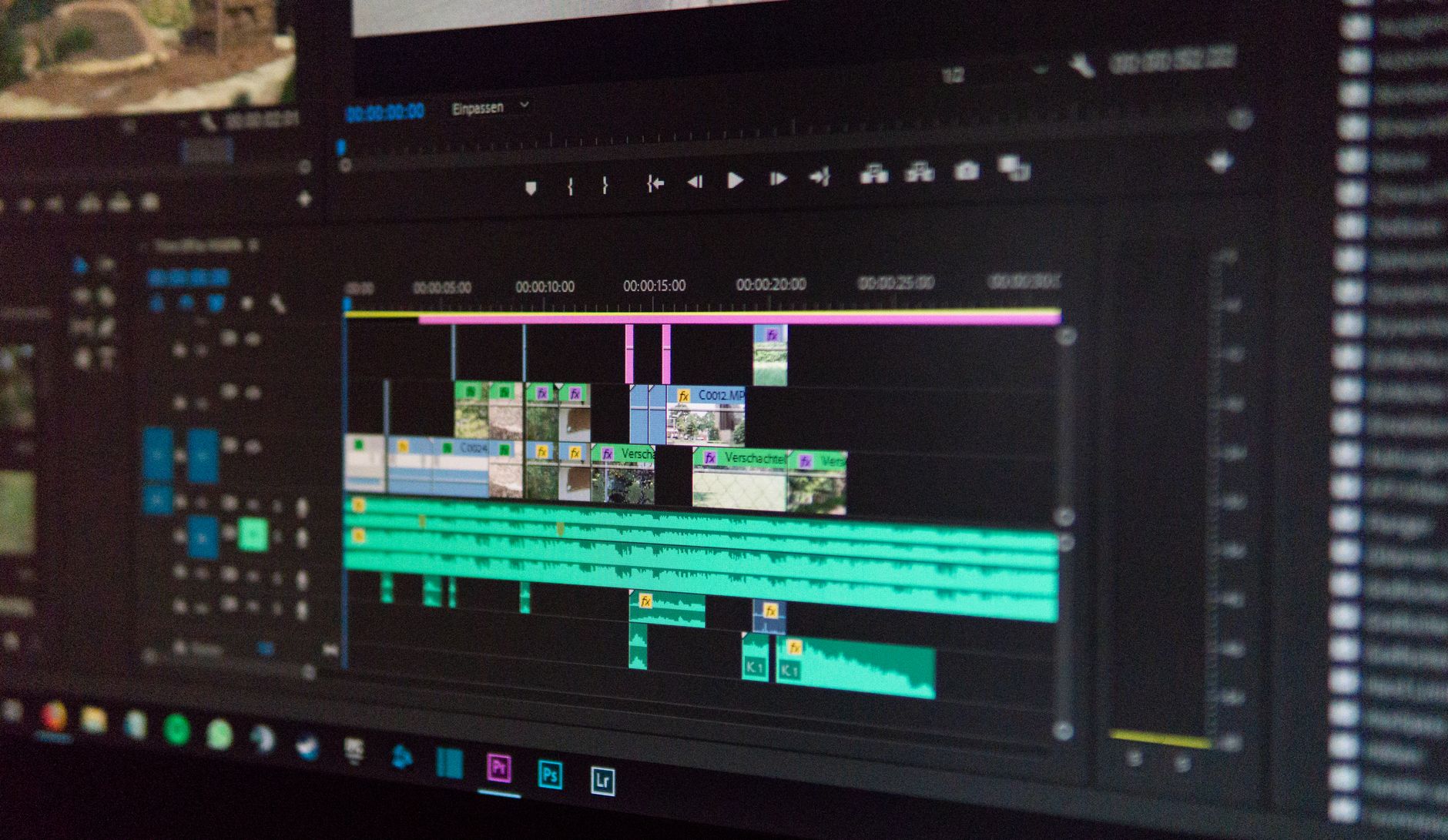
Modern editing workflows for Shorts leverage platforms that offer instant download links and integrated beat-sync tools. By organizing your music folders into specific mood-based categories, you can reduce source-hunting time from 30 minutes to under 5 minutes per project. Consistency is the key to YouTube growth; if your sourcing workflow is slow, your output volume will inevitably suffer.
- Preview tracks at 1.5x speed to quickly assess the energy profile.
- Always download in WAV format to maintain high-quality audio after compression.
- Create a 'Favorites' folder for recurring music styles used in your series.
- Use search filters for aesthetic lofi background music free download to save time on mood-specific edits.
6. Public domain and Creative Commons limits
Public domain and Creative Commons tracks often appear free but carry hidden attribution requirements that, if missed, result in manual copyright strikes. These tracks do not provide commercial exclusivity, meaning other creators can use the same audio indefinitely, diluting your brand's uniqueness. I advise avoiding public domain music unless you have verified the file origin, as many 'free' uploads are actually re-uploads of copyrighted works.
| Type | Safety Level | Exclusivity |
|---|---|---|
| Public Domain | Low (Metadata issues) | None |
| Creative Commons | Medium (Attribution risk) | None |
| Premium Royalty-Free | High (Legal coverage) | Limited/Full |
If you are just starting out, prioritize consistency and safety over the allure of 'zero-cost' creative commons files. When in doubt, seek platforms that offer clear licensing, like when you find free YouTube intro music no copyright in 2026, to maintain a professional standard from day one.
7. Frequently asked questions
7.1. Does the YouTube library offer full monetization?
No, using tracks from the native library often forces you into a revenue-sharing agreement. Rights holders collect a portion of your ad income, which decreases your total payout.
7.2. What is a channel ID, and why should I whitelist it?
Your channel ID is a unique alphanumeric string that identifies your account to YouTube. Whitelisting it on a music site tells the Content ID system that your channel has permission to use their tracks, preventing accidental demonetization.
7.3. How does music affect viewer retention?
Audio tracks with a consistent 120-130 BPM provide a rhythmic structure that keeps viewers engaged. When your video cuts align with the beat, it creates a psychological rhythm that encourages users to watch longer.
7.4. Are public domain tracks safe for commercial use?
They are legally safe in theory, but risky in practice. Many 'public domain' files are mislabeled re-uploads, meaning they could still trigger a Content ID claim that you would have to dispute manually.
8. Protecting your content growth
Always prioritize 100% monetization retention over platform-native convenience. Whitelisting your channel ID is non-negotiable for serious creators in 2026, and consistent audio pacing remains a proven method to improve your engagement metrics. If you need a reliable source for your future projects, browse our library at freebgmusic.info to find your next track and secure your ad revenue today. We offer professional-grade, royalty-free background music that keeps your content safe and fully monetized.