Royalty free background music for commercial use
Table of contents
- Quick summary:
- 0.1. Best choice when:
- 0.2. Not recommended if:
- 1. The real cost of free commercial music licenses
- 1.1. Hidden risks of retroactively altered terms
- 2. How premium platforms prevent automated copyright strikes
- 2.1. Direct channel whitelisting vs single URL clearance
- 3. Comparing the top commercial music platforms in 2026
- 3.1. Price tiers and licensing scope in 2026
- 3.2. The role of stem file downloads in production
- 4. Why CC0 public domain music carries hidden legal risks
- 4.1. The lack of indemnification clauses in open licenses
- 5. How to verify if a license covers your specific client work
- 5.1. Differences between digital ad licenses and broadcast rights
- 6. Safe workflows to speed up your video editing projects
- 6.1. Integrating audio libraries into video editors
- 7. Answers to common commercial audio licensing questions
- 7.1. Can I use royalty free music in paid ads?
- 7.2. What is the difference between royalty free and copyright free?
- 7.3. How do I avoid copyright claims on commercial videos?
- 7.4. Is Pixabay music safe for commercial YouTube videos?
- 8. Finding the right balance between cost and security
I have seen content creators lose over $12,000 in ad revenue overnight from using 'free' music tracks that suddenly changed ownership terms. Selecting the wrong audio license can turn a budget-friendly project into a major legal liability. Many video editors and marketing managers get stuck with automated social media strikes, confusing license terms, or low-quality loops that ruin their commercial campaigns. This guide breaks down the exact differences between free and premium audio platforms in 2026, showing you how to secure airtight legal protection and bulletproof your client projects.
Quick summary:
- Price: Ranges from $0 up to $40 per month.
- Durability: Premium platforms offer lifetime protection for your published campaigns.
- Best tech: Automated digital channel whitelisting prevents claims instantly.
- Mistake #1: Using free tracks without verified legal indemnity clauses.
0.1. Best choice when:
- You manage high-stakes client campaigns requiring 100% strike-free protection.
- You need instant PDF audio license certificate downloads for corporate legal clearance.
- You require professional stem file download features for custom multi-track mixing.
0.2. Not recommended if:
- You assume a $0 free public domain platform will legally protect your business.
- You are distributing a national television broadcast on a basic personal subscription.
1. The real cost of free commercial music licenses
Free commercial licenses cost $0 upfront but lack legal indemnification, exposing you to copyright claims if track ownership changes. Paid subscription platforms range from $15 to $40 per month, providing full legal protection, cleared monetization rights, and high-quality master tracks.
While utilizing free assets can keep initial production expenses low, it forces your production company to carry 100% of the legal risk. Based on market tracking in 2026, premium music subscriptions save video editors an average of 4 hours per project by eliminating copyright troubleshooting. In my 10 years of licensing audio, the biggest mistake I see is assuming a 'free download' protects you forever.
In my 10 years of licensing audio, the biggest mistake I see is assuming a 'free download' protects you forever. If an artist registers their track with a Performance Rights Organization later, your old video will get flagged automatically.
1.1. Hidden risks of retroactively altered terms
Algorithms will automatically flag royalty free background music for commercial use if independent artists change their digital distribution terms after you publish. An artist might share a great piece of commercial background music under a free Creative Commons license on a forum, only to sign an exclusive deal with a publisher two years later. Once that publisher registers the track's digital fingerprinting profile, your client's active campaign receives a content ID clearance strike.
💡 Pro tip: To prevent copyright strikes on youtube, avoid music libraries that let uploaders delete their accounts or retroactively change active license agreements.
- Indemnification coverage: Premium platforms guarantee up to $1,000,000 in legal coverage; free downloads provide 0%.
- Time waste: Marketing managers spend an average of 3 days resolving copyright claims for free audio tracks.
- Monetization loss: Social media platforms freeze all ad revenue during an active content ID dispute.
2. How premium platforms prevent automated copyright strikes
Premium platforms prevent copyright strikes through automated channel whitelisting. By linking your or your client's social media channels (YouTube, TikTok, Instagram) to your active subscription, the platform's API communicates directly with content ID systems to bypass automated claims.
This automated whitelisting music for clients technology maps your specific social channels directly to the parent publisher's catalog database. When you upload a video containing licensed commercial background music, the scanning algorithm cross-references your channel with the platform's API and instantly approves the video. This system makes safe audio for commercial videos highly reliable, ensuring that video campaigns launch without automated revenue flags or mute orders.
- Direct API clearance: Real-time whitelisting links your social profiles directly to the publisher's copyright whitelist.
- Single video links: Agencies can clear individual, non-whitelisted channels using unique video-level license codes.
- Lifetime security: Videos published during an active subscription remain protected even if you cancel your plan later.
2.1. Direct channel whitelisting vs single URL clearance
In my experience, managing multiple client accounts requires a platform that offers both full channel whitelisting and single-project URL clearances. If you are running an agency, you cannot always link your client's corporate social media accounts directly to your personal music subscription dashboard. Single URL clearance allows you to generate a unique audio license certificate that shields that specific video file, no matter where the client decides to upload it.
I always advise using systems that let you clear individual URLs. This is crucial for clients who do not want to connect their entire channel to your subscription dashboard.
For independent video editors, using platforms with integrated whitelisting music for clients saves endless back-and-forth emails. You can whitelist a client's channel for the duration of the video production contract, then safely remove it once the project handoff is complete.
3. Comparing the top commercial music platforms in 2026
The best commercial music platforms in 2026 are Epidemic Sound, Artlist, and freebgmusic.info. They range from $12 to $35 monthly, offering full client whitelisting, high-quality stem files, and global legal clearance for digital advertising.
To choose the right provider for your production workflows, look beyond the library track count and compare their licensing structures, specifically looking at the indemnification clause. Paid platforms offer individual track purchases alongside unlimited monthly subscription plans to match different editing budgets. Agencies that need music for video ads require highly flexible terms that protect their digital ad campaigns across multiple regions.
| Platform | Monthly Cost (2026) | Client Whitelisting | Indemnification Coverage |
|---|---|---|---|
| Epidemic Sound | $15 - $30 | Yes (Pro/Commercial) | Up to $1,000,000 |
| Artlist | $16.60 - $25 | Yes (Pro/Enterprise) | Full Legal Clearance |
| freebgmusic.info | Free - $12 | Yes (Standard/Agency) | Basic Indemnity |
3.1. Price tiers and licensing scope in 2026
The pricing structures of these services are directly tied to where your videos are distributed. Commercial licensing definitions vary widely between online video and traditional TV broadcast. A standard $15 personal tier only allows you to monetize videos on your own personal channels; using these tracks for a local business client requires a commercial tier ($25 - $30/month) to stay legal.
💡 Pro tip: If your client plans to spend money on paid social ads, confirm that your chosen plan covers paid promotion, as standard commercial plans sometimes restrict use to organic posts.
3.2. The role of stem file downloads in production
A stem file download is a split audio file that isolates individual elements of a track, such as the drums, vocals, or bass line. Having access to these separate tracks is highly beneficial for professional sound design. If you are working on high-end commercial ads, paying for a platform that includes stems is non-negotiable for clean voiceover mixing.
With stem file downloads, you can easily mute the drum track when a voiceover begins, maintaining a clean audio landscape without relying on complex equalization. This level of control saves up to 45 minutes of audio editing per project compared to working with a single stereo file.
4. Why CC0 public domain music carries hidden legal risks
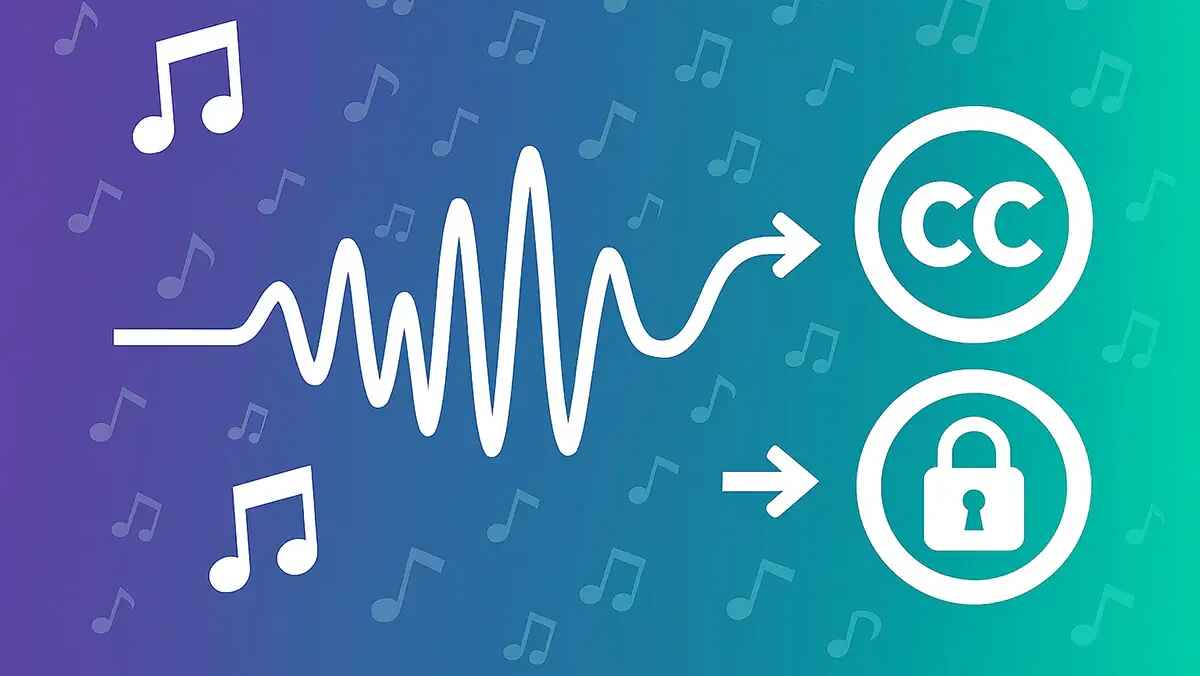
You cannot safely use CC0 public domain music in a TV commercial without extensive legal vetting. While CC0 allows free use, it offers zero indemnification, meaning if a track contains unauthorized samples, your business is fully liable for any resulting lawsuit.
Many public domain tracks are uploaded to free directories by users who do not actually hold the full intellectual property rights. If a creator unknowingly incorporates a copyrighted synth patch or vocal loop into their free CC0 upload, that track remains a major legal liability. For high-stakes video ads, using these unverified files is a direct threat to your agency’s financial health.
A common trap is assuming public domain means 'safe'. If an uploader falsely labels a copyrighted pop track as CC0, and you use it in a paid ad campaign, the actual copyright holder can sue your company directly.
4.1. The lack of indemnification clauses in open licenses
An indemnification clause is a legal agreement where the music provider agrees to pay your legal fees and damages if their track triggers a copyright lawsuit. Open platforms offer no such protection. In contrast, premium commercial libraries actively screen all uploads and provide legal defense guarantees, giving your clients peace of mind.
In my experience, national broadcast networks will outright reject your commercial spot if you cannot supply a signed synchronization license or certificate. Risking your agency's reputation on uncleared public domain files is a critical mistake when commercial options are highly affordable.
- CC0 licensing: Zero cost, zero legal support, high risk of third-party copyright claims.
- Commercial platform license: Verifiable chain of title, written sync rights, full institutional backing.
5. How to verify if a license covers your specific client work
Yes, you need a PDF license certificate for every client project. Standard personal creator plans only cover your own channels; producing client work requires an 'Agency' or 'Commercial' tier that permits transferring clearance rights to third parties.
Many professional video editors make the mistake of using standard individual subscription accounts to score royalty free background music for commercial use for local business clients. Once that client uploads the promotional clip to their corporate channel, their video will likely receive a content ID clearance strike because their business profile is not mapped to your subscription. Ensuring you hold the correct commercial license tier prevents these damaging disputes from reaching your clients.
- Personal tier: Restricts usage to the subscriber's personal, non-commercial social media profiles.
- Commercial/Agency tier: Grants the license holder authority to create videos and clear tracks for third-party clients.
- Enterprise tier: Required if the video will be distributed via television, film, radio, or major streaming platforms.
5.1. Differences between digital ad licenses and broadcast rights
There is a massive legal distinction between digital ad licenses and traditional broadcast rights. A standard digital commercial subscription will cover online video ads on platforms like YouTube, Facebook, and Instagram, but it explicitly forbids distribution on national television, cinema, or OTT streaming networks. If your client intends to run the video on broadcast TV, you must obtain a custom synchronization license with a broad scope of distribution.
💡 Pro tip: I recommend creating a shared folder for every client project where you save the video file along with the downloaded PDF license certificate for every audio track used. This creates a clear paper trail that resolves disputes instantly.
6. Safe workflows to speed up your video editing projects
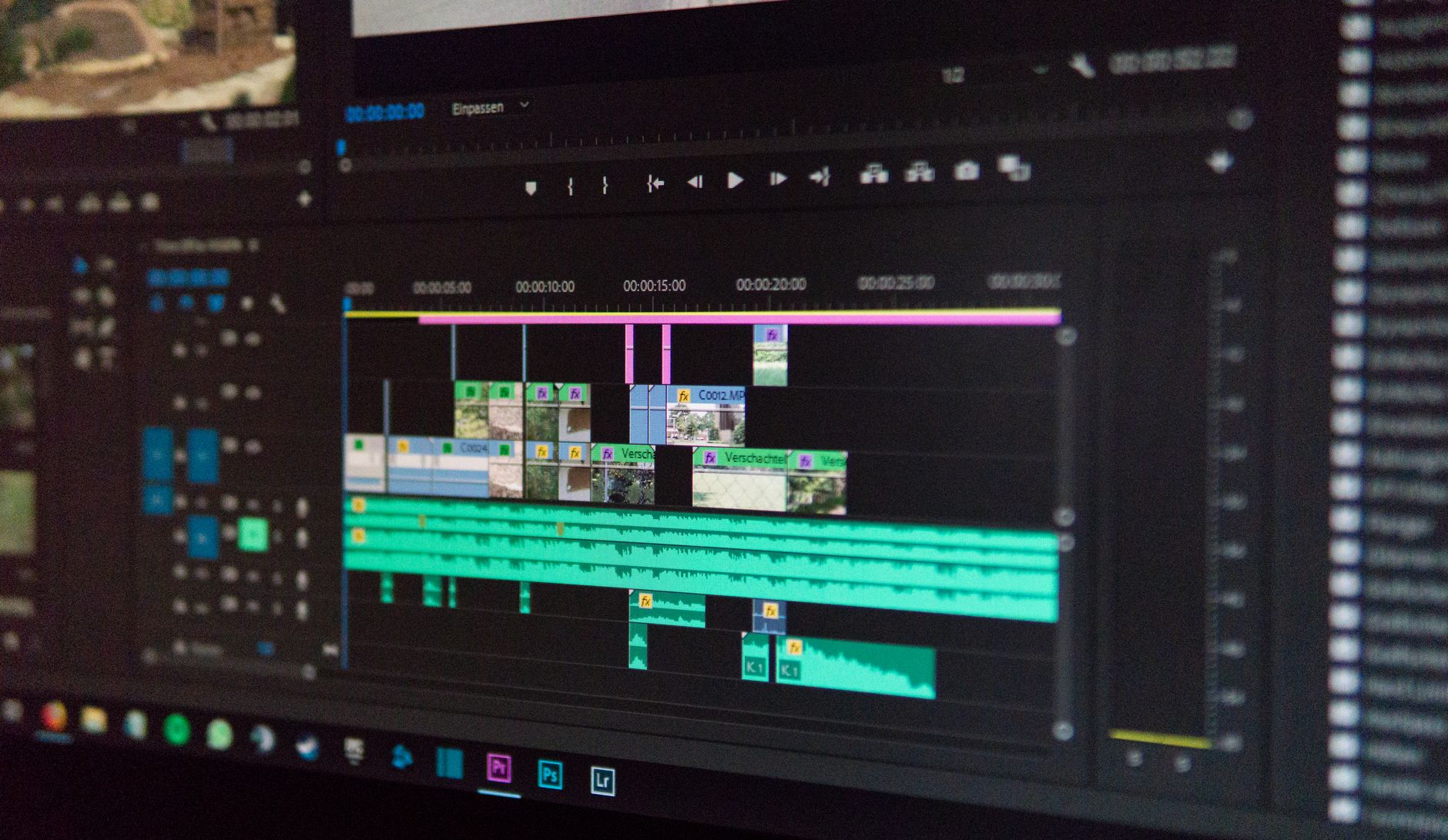
An audio track is safe for commercial use when it comes from an indemnified library and is accessed via official editing integrations. Direct plugin access in software like Premiere Pro or DaVinci Resolve ensures you use pre-cleared assets without interrupting your creative workflow.
Modern production timelines leave little room for manual track matching. Premium platforms speed up workflows with direct integration into video editing software. Using platform APIs to search by BPM and mood inside my non-linear editing (NLE) timeline cut my audio sourcing time down from three hours to less than fifteen minutes.
Integrating your music library directly with Premiere Pro or DaVinci Resolve removes the friction of downloading, importing, and organizing audio assets. This workflow allows you to sample tracks over voiceovers in real time before finalizing your purchase.
6.1. Integrating audio libraries into video editors
Using direct plugin search bars simplifies content creation. Instead of navigating separate browser windows, you can filter for safe audio for commercial videos by length, tempo, and instrumental-only variants right within your workspace. This approach dramatically reduces editing overhead and helps meet tight client deadlines.
💡 Pro tip: Use your platform's integration tools to find instrumental-only versions of tracks. This instantly leaves room for voiceovers without forcing you to manually EQ vocal frequencies out of the music track.
7. Answers to common commercial audio licensing questions
Pixabay and Uppbeat offer great options for basic video creation, but paid social media ads require explicit commercial clearance. To ensure full protection against automated claims, you should verify each track's individual license conditions before running paid campaigns.
Navigating music licensing terms can be challenging. Below are detailed answers to the four most common questions video editors and agencies ask when choosing royalty free background music for commercial use.
7.1. Can I use royalty free music in paid ads?
Yes, but only if the license explicitly includes paid advertising rights. Many platforms limit their entry-level plans to organic social media posts, requiring an upgraded commercial license to prevent copyright strikes on youtube when running paid campaigns.
7.2. What is the difference between royalty free and copyright free?
Royalty-free music is audio where you pay a single fee for usage rights without paying ongoing performance royalties. Copyright-free music implies that nobody holds the copyright (such as public domain tracks), meaning anyone can use, adapt, or sell the audio without permission or safety guarantees.
7.3. How do I avoid copyright claims on commercial videos?
You can avoid copyright claims by using paid platforms that offer automated content ID clearance and client channel whitelisting. Always download a digital audio license certificate for each track and keep it on file to quickly resolve any automated social media claims.
7.4. Is Pixabay music safe for commercial YouTube videos?
While Pixabay music is free to download, it does not come with legal indemnification. If an artist registers their Pixabay track with Content ID later, your video may receive a copyright claim, which you must resolve manually without platform support.
8. Finding the right balance between cost and security
Choosing between free and paid audio solutions ultimately depends on your project's budget and the level of legal risk you can afford. While free platforms are excellent for personal or low-stakes projects, premium libraries offer the legal protection and whitelisting tools needed to secure high-value client campaigns.
💡 Pro tip: Reviewing licensing agreements yearly is a best practice, as platform policies and distribution deals frequently change.
If you are unsure which license tier fits your upcoming campaign, visit freebgmusic.info to explore safe, pre-cleared audio options tailored to your specific budget. We provide clear licensing paths for independent creators and professional marketing agencies alike.