Peaceful piano instrumental music for podcasts: legal guide
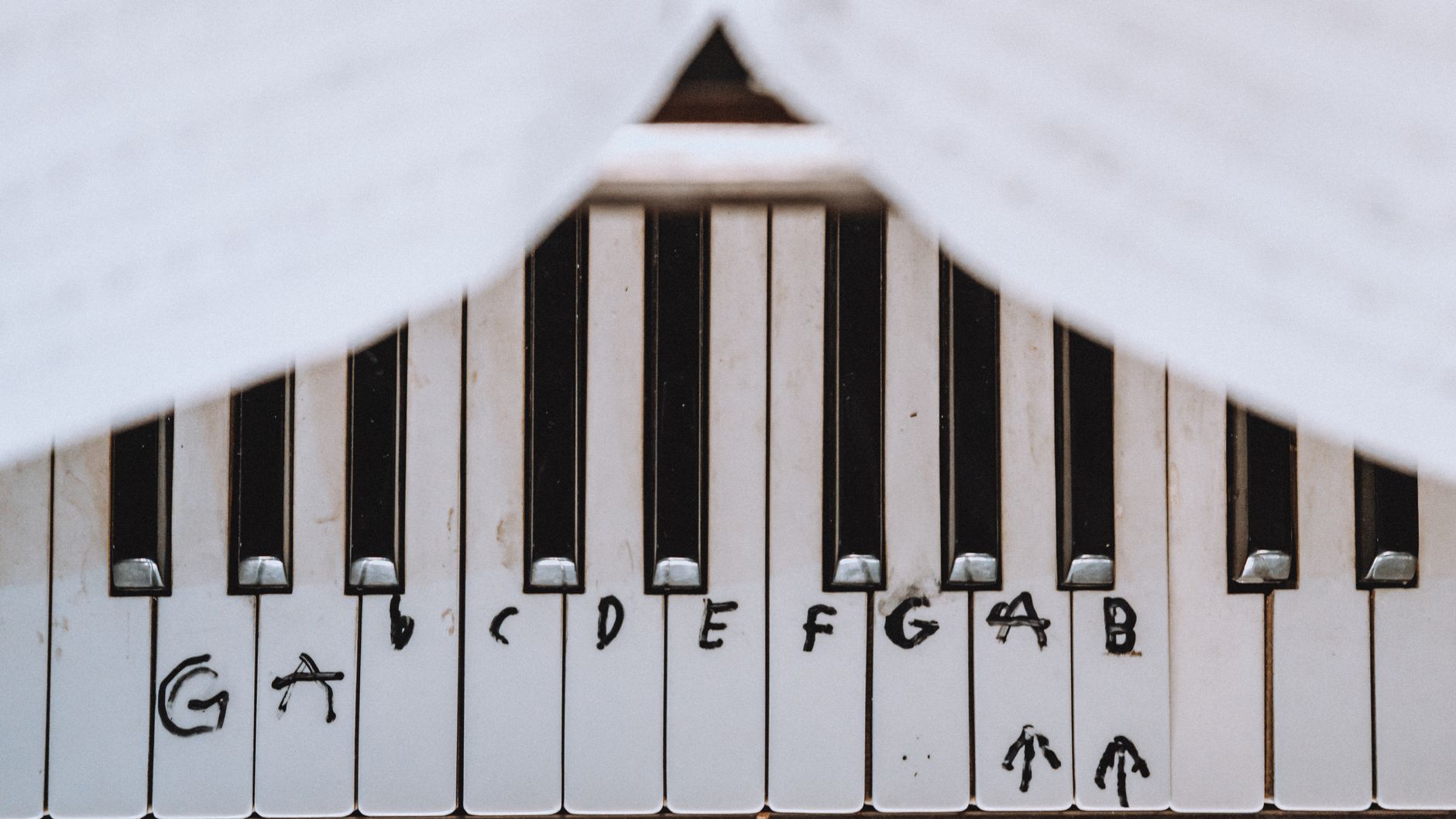
Table of contents
- What to know before you read on:
- Go with this if:
- Skip this if:
- 1. How to identify royalty-free legal risks
- 2. Technical standards for professional piano audio
- 3. Selecting piano tracks by pacing and mood
- Musical cues to avoid:
- 4. Professional mixing for voice and music
- 5. Finding safe, attribution-free music sources
- 6. Creating a sustainable music workflow
- 6.1. Is my current music selection legally safe?
- 6.2. How do I fix a muddy vocal mix?
- 6.3. Can I reuse the same track every episode?
- 6.4. Why does my music sound distorted?
- Final steps for your podcast audio:
Most creators believe that buying a subscription makes all music legally safe, yet data shows that 30% of standard licenses exclude podcast redistribution rights. I see too many independent producers receive automated copyright takedown notices because they failed to verify the specific terms of their 'royalty-free' music library. I am sharing my workflow to help you audit your audio, select professional piano tracks that fit your pacing, and secure your production against future legal risks.
What to know before you read on:
- Verify commercial rights to avoid copyright strikes.
- Maintain -20dB to -25dB for background balance.
- Use WAV or FLAC for professional audio quality.
- Keep a manual audit log of all music licenses.
Go with this if:
- You need consistent, non-distracting layers for long-form shows.
- Your workflow requires rapid, high-quality asset acquisition.
- You must ensure full legal compliance for commercial podcasts.
Skip this if:
- The audio file lacks proper metadata or license documentation.
- You require aggressive, high-energy hooks for your intro.
- The track features heavy, uncompressed percussion or vocal samples.
1. How to identify royalty-free legal risks
Royalty-free music grants a license to use a track without recurring payments, but the creator usually retains copyright. Copyright-free indicates works in the public domain, meaning no ownership claims exist and you generally face zero legal exposure for standard distribution.
| Feature | Creative Commons (CC BY) | Paid Royalty-Free License |
|---|---|---|
| Attribution | Mandatory | Often optional |
| Cost | Free | One-time fee/Subscription |
| Commercial Use | Varies by license type | Usually granted |
In my experience, reading the license agreement is more important than checking the 'royalty-free' tag. I have seen creators use music labeled as "free" that strictly prohibited podcasting, leading to platform-wide demonetization after months of work. Always check for specific mentions of "podcasting," "broadcasting," or "distributed media" in the usage terms.
2. Technical standards for professional piano audio
Professional podcasts require a minimum of 44.1kHz sample rate and 256kbps bitrate to maintain clarity during voiceovers. Avoid compressed files below 192kbps as they often suffer from harsh high-end distortion that manifests as "sizzling" artifacts when layered beneath human speech.
- Bitrate: Minimum 256kbps (MP3) or equivalent.
- Sample Rate: 44.1kHz (Standard for CD/Podcast).
- Format: WAV or FLAC for lossless editing headroom.
- Dynamic Range: Keep the signal-to-noise ratio clean.
I always insist on WAV or FLAC masters for the edit; you can always downsample, but you cannot restore lost data once a file is exported as a low-bitrate MP3. When dealing with ambient study music instrumental free download options, ensure you check the master file quality before beginning your session to avoid mid-edit fidelity issues.
Expert Insight: If your piano track has significant low-frequency rumble, use a high-pass filter at 100Hz. This removes "mud" that competes with the fundamental frequency of the host's voice.
3. Selecting piano tracks by pacing and mood
Successful background piano tracks typically feature repetitive, mid-tempo melodies without sudden shifts in volume or complex chord changes. These elements prevent the music from competing with the vocal narrative for the listener's focus, allowing the content to remain the primary driver of the audience's attention.
A common mistake I see is using tracks with dramatic intensity changes. If the piano melody peaks in volume while the host is sharing critical information, the audience will subconsciously disengage from the story. I look for tracks with a flat, consistent energy profile throughout the duration of the clip.
Musical cues to avoid:
- Sudden dynamic swells or fortissimo piano stabs.
- High-frequency trills that mask sibilant sounds in voice.
- Irregular tempos that conflict with the natural rhythm of speech.
My rule of thumb is that if the music makes me tap my foot while the host is speaking, it is too distracting. For shorter projects like copyright free background music for youtube shorts, you can get away with more movement, but for a 30-minute podcast, the background must stay firmly in the background.
4. Professional mixing for voice and music
Background music should sit at -20dB to -25dB relative to your peak vocal levels. Utilizing a soft side-chain compressor ensures the piano dips slightly when the host speaks, enhancing overall clarity and engagement without requiring constant manual volume automation.
- Vocal Frequency Carving: Apply a narrow EQ cut between 1kHz and 3kHz on the music track.
- Side-Chaining: Set a -3dB reduction triggered by the vocal bus.
- Stereo Width: Consider narrowing the stereo image of the piano to focus the energy in the center.
In my post-production workflow, I prioritize a mid-range notch filter on the piano track to create 'space' for the voice frequency spectrum. This is a subtle technique, but it allows the background to feel present without masking the vocal transients. Using aesthetic lofi background music free download assets often requires this extra step because lofi tracks are typically mixed as stand-alone songs rather than background beds.
5. Finding safe, attribution-free music sources

You can find high-quality piano music by leveraging platforms like freebgmusic.info, which offers a curated selection of tracks specifically for creative content. These platforms simplify workflows by providing clear commercial-use metadata for every file, ensuring you have the legal backing needed for your distribution.
FreeBGMusic.info provides a streamlined interface that allows creators to preview and download tracks without the navigation hurdles of larger, cluttered stock databases. I find that when I need to source cooking video background music free download files or podcast beds, having a clean, searchable list saves roughly 2 hours of production time per episode.
Expert Insight: Managing your assets in a central repository is the single best way to avoid copyright issues. Never save a file to your desktop and lose the original license metadata.
6. Creating a sustainable music workflow
Consistency in your music choices establishes a sonic brand identity. By maintaining a centralized database of your licensed tracks and their corresponding metadata, you eliminate the risk of accidental copyright infringement or failing an audit by a rights-management firm.
| Step | Tool | Action |
|---|---|---|
| Cataloging | Spreadsheet | Record license date and file source. |
| Storage | Cloud/Local | Keep original downloads with documentation. |
| Planning | Scripting | Map music cues during the editing phase. |
I maintain a spreadsheet for every project that logs the track title, the source platform, and the specific license date for future audit protection. If you are producing free intro background music for gaming videos or podcasts, this habit keeps your production clean and defensible. For those using free youtube intro music no copyright in 2026, ensure your documentation is as robust as your audio.
6.1. Is my current music selection legally safe?
If you lack a copy of the license agreement or the platform terms explicitly state "personal use only," you are at risk. Always cross-reference the track metadata with the platform’s current Terms of Service.
6.2. How do I fix a muddy vocal mix?
Use a high-pass filter on the piano at 100Hz and a light cut at 2kHz. This creates a sonic pocket that allows the vocal intelligibility to shine without raising the overall volume.
6.3. Can I reuse the same track every episode?
Yes, establishing a consistent sonic brand helps listener retention. Just ensure your original license allows for ongoing use across a series rather than a single project.
6.4. Why does my music sound distorted?
You are likely using a low-bitrate file or a compressed MP3 that has been re-rendered too many times. Always start your edit with the highest fidelity WAV or FLAC file available.
Final steps for your podcast audio:
- Always verify license metadata before integration.
- Keep music levels consistently between -20dB and -25dB.
- Use reputable platforms like freebgmusic.info to maintain legal safety.
If you are ready to stabilize your production quality, explore the library at freebgmusic.info to find your next set of professional piano tracks. This ensures your podcast remains legal and sounds polished without unnecessary stress.